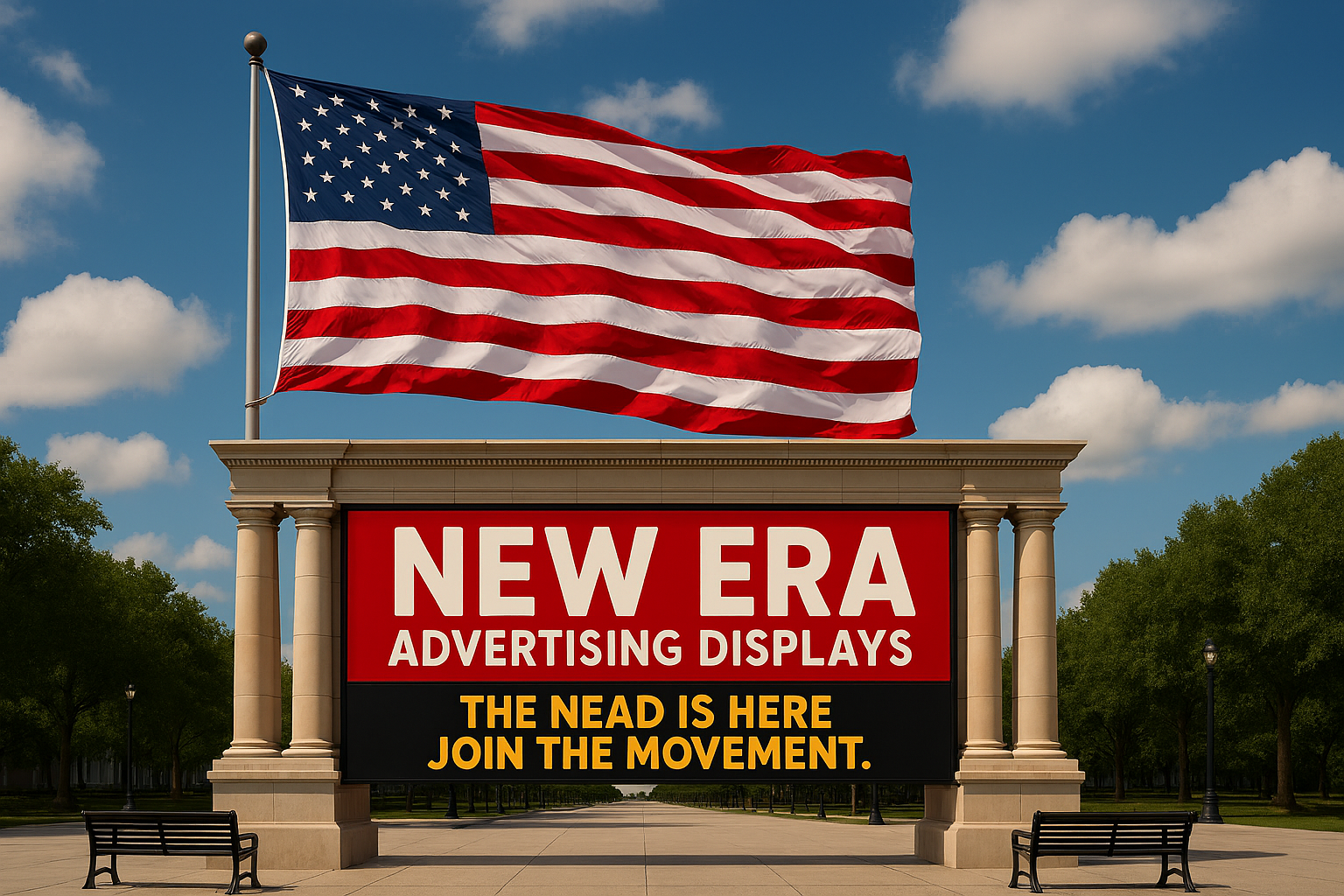
NEAD is a codified visibility framework designed to align with corridor-based zoning and federal standards. It transforms how outdoor messaging is placed, ensuring lawful visibility that elevates—not excludes—communities and industries alike.
For decades, lawful Billboard Advertising was swept into blanket bans that conflated visibility with blight. Communities lost more than billboards — they lost the right to communicate publicly. NEAD begins by restoring that right.
This isn’t about bringing back clutter. It’s about reclaiming visibility as a civic asset — one that serves both public messaging and lawful advertising within zoning harmony.
NEAD signage redefines visibility infrastructure by:
📜 Reinstating advertising rights as part of civic messaging
🧭 Reclaiming corridor space for lawful, community-aligned visibility
🛡️ Preventing monopolization by legacy signage structures
⚖️ Promoting equitable access for public and private voices
🧱 Aligning with zoning to ensure long-term viability
NEAD signage is not a loophole — it’s a codified alternative. By introducing a new sign classification, NEAD restores visibility with integrity, equity, and civic purpose — backed by a federally copyrighted and patent-pending framework. Existing zoning codes have not yet addressed this classification. Municipalities now have the opportunity to integrate NEAD’s platform and licensing into their regulatory framework, restoring lawful advertising visibility with clarity and purpose.
The Reed v. Town of Gilbert decision triggered a wave of codification across the country, often in haste and without fully addressing the long-term implications for messaging equity. In jurisdictions with billboard bans or caps — especially where only one operator remains — excluding NEAD signage may unintentionally reinforce monopolistic conditions and suppress lawful visibility. NEAD offers a codified, federally aligned alternative that restores civic messaging rights without disrupting existing zoning frameworks. Its adoption invites municipalities to move toward transparency, equity, and modern infrastructure.
While some may argue that content neutrality protects existing billboard systems, nearly all billboards were developed under frameworks that predate such interpretations. Historically, billboards have been governed as a distinct classification — often with caps, bans, or exclusive operator agreements. NEAD’s classification is not about content; it’s about restoring lawful visibility through a codified infrastructure solution. Even in jurisdictions with multiple operators, excluding NEAD may perpetuate closed systems that suppress civic messaging and competition.
Billboards have long been treated as stand-alone property assets, governed by spacing, size, and location — not content. The banning, capping, or grandfathering of the “billboard classification” stripped property owners of lawful advertising rights. Onsite signage allowances are **not a replacement** for these rights; they serve different functions and audiences. In some cases, this erosion could be considered a **regulatory taking**, especially when visibility is denied without compensation or alternatives.
**NEAD signage offers a reformative path forward.** Rather than relying on outdated classifications or loopholes, NEAD introduces a **codified, corridor-aligned solution** that restores visibility rights with integrity. Billboard reform has always been the answer to outright bans and depreciation — and NEAD provides the infrastructure to make that reform actionable with its **patent-pending and copyright-protected platform**.
A Reformative Vision for Outdoor Advertising
While NEAD’s platform may be new to some in the industry, its purpose is not exclusion — it’s elevation. Innovation often emerges from fresh perspectives, and NEAD’s codified, corridor-aligned system is designed to raise the bottom line for everyone. It’s not about who patented the idea; it’s about what the idea makes possible.
| Class Name | Sq Ft Range | Purpose & Placement |
| 🏘️ Neighborhood-Class | 32–200 sq ft | Tailored for walkable zones, civic nodes, and community-facing corridors. Supports localized messaging with formats optimized for modern print and compact LED configurations. |
| 🏙️ District-Class | 200–400 sq ft | Mid-scale visibility for mixed-use and commercial districts. Adaptable to varied zoning overlays and proportional to contemporary design standards. |
| 🌆 Landmark-Class | 500–1200 sq ft | High-impact visibility for regional gateways and wide roadways. Engineered for topographic harmony and enhanced with scalable LED or architectural formats. |
NEAD’s civic-aligned display system introduces three conceptual square footage classes — not as rigid specifications, but as flexible planning tools. These categories help illustrate how traditional signage footprints can be reimagined through NEAD’s codifiable platform. By aligning visibility with zoning and geography, NEAD empowers civic planners to tailor messaging infrastructure to the unique character of each community.
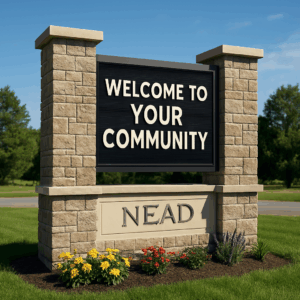
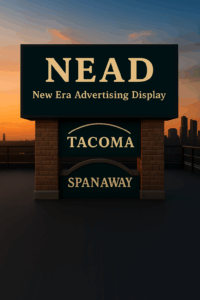
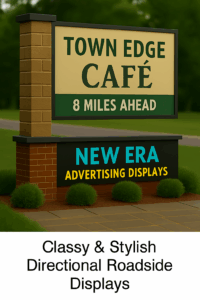

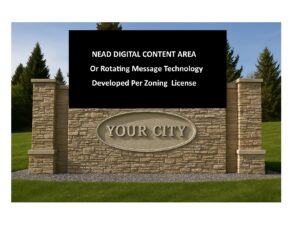

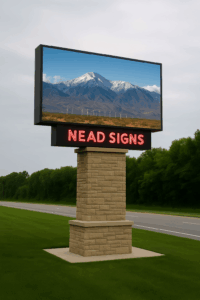

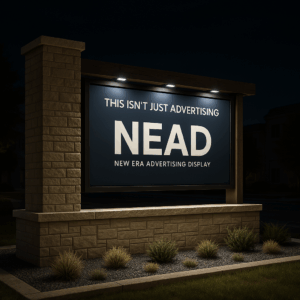
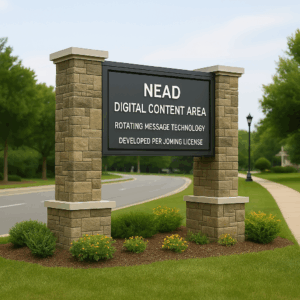
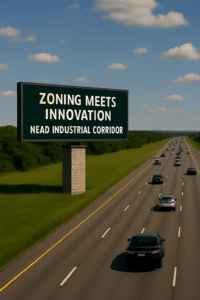
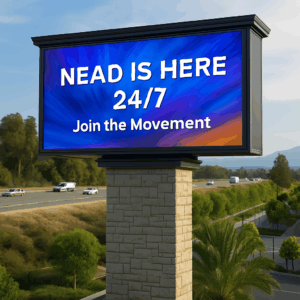
NEAD’s platform opens new pathways for lawful messaging infrastructure. Let’s build civic spaces that speak with clarity and purpose.
💼 Visibility Rights You Can Bank On
🏦 🔁 🧱 Collateralization Assignability Infrastructure Value
NEAD Licenses are more than permissions—they’re codified visibility rights with real financial utility. For developers, municipalities, and lenders, these licenses can be treated as secured assets under UCC (Uniform Commercial Code) filings. This unlocks powerful advantages:
🧱 Infrastructure Value: Codified visibility rights enhance site value and compliance
📌 Collateralization: Use NEAD Licenses as part of your signage financing package
🔁 Assignability: Transfer or lease licenses in joint ventures or property deals
By integrating NEAD signage, developers gain not only visibility—but a financeable infrastructure asset that supports long-term growth.
Multi-Tiered Fee Model
| Fee Type | Description | Notes |
|---|---|---|
| Development License Fee | Paid by developers to implement NEAD signage | Suggested: $1,000 per corridor |
| Jurisdictional Fee | Optional fee paid to state, city, or county | Can be shared or tiered |
| Municipal Revenue Share | $250–$500 per corridor paid to host municipality | Non-ownership model |
| Royalty | 3% of gross advertising revenue | Paid quarterly by licensee |
| Exclusivity Option | Premium fee for exclusive corridor rights | Must reserve 30% for NEAD to avoid antitrust concerns |
“NEAD offers exclusive corridor rights to developers, but reserves 30% of the corridor’s visibility inventory for NEAD stewardship or third-party access. This ensures competitive fairness and avoids monopolistic optics.”
NEAD — New Era Advertising Displays — is a federally registered copyright protecting a proprietary corridor stewardship framework. It encompasses:
- Original zoning logic
- Architectural language
- Strategic placement methodology
- Visual mockups and planning logic
- Community-aligned advertising standards
This framework is patent-pending and protected under U.S. Copyright Law.
“NEAD is a copyrighted process model for corridor stewardship and strategic signage placement — designed to preserve community aesthetics while unlocking latent property value.”
NEAD is more than a signage model — it’s a platform for visibility, equity, and community stewardship.
“NEAD is the platform. Development is the purpose. Visibility is the currency. Equity is the impact.”
NEAD empowers developers, planners, and civic partners to build smarter, cleaner, and more community-aligned signage. It does not prescribe dimensions, mandate materials, or define creativity. Instead, it provides:
- A licensed framework for lawful implementation
- Site-level equity and corridor stewardship
- Tools to unlock latent property value
- A codifiable alternative to legacy billboard models
“NEAD transforms the stigma of outdoor advertising by introducing a new species of signage — one that competes on aesthetics, zoning harmony, and civic purpose.”
NEAD signage offers municipalities a way to generate revenue without becoming direct partners in the advertising industry. Instead of owning signs or negotiating takedowns, cities simply codify NEAD as a signage class and receive a share of licensing or corridor fees.
| Revenue Stream | Description |
|---|---|
| Corridor Licensing Share | $250–$500 per corridor paid to the corresponding Municipalities |
| Beautification Incentive | Fixed stipend per NEAD build to support landscaping or upkeep |
| Optional Royalty Share | 0.5–1% of ad revenue from NEAD signs in their jurisdiction |
| Non-Ownership Clause | Municipalities do not own or operate signs — avoiding conflicts of interest |
“NEAD signage empowers municipalities to benefit from outdoor advertising without compromising public trust. By codifying NEAD as a new signage class, municipalities can generate revenue, enhance aesthetics, and avoid entanglement with legacy billboard operators.”
NEAD signage is designed to be codified into municipal ordinances as a distinct category — one that supports corridor stewardship, architectural integrity, and community beautification.
Model Ordinance Definition
“NEAD Signage” (New Era Advertising Displays): A distinct category of advertising signage designed to support corridor stewardship, architectural integrity, and municipal beautification. NEAD signage incorporates zoning overlays, traffic visibility logic, and collaborative implementation strategies. It may include monument-style builds, dual-column structures, or other context-sensitive formats that preserve local charm while enabling regulated advertising. NEAD signage shall be considered separate from traditional billboards and may be permitted under unique criteria defined in this ordinance.
Why Codification Matters
- Each participating municipality — whether city, county, port, tribal nation, or special district — benefits from shifting reactive billboard bans toward proactive beautification strategies
- Establishes a competitive aesthetic standard aligned with civic goals
- Empowers developers to submit NEAD proposals under clear, lawful, and codified criteria
- Minimizes legal disputes, takedown negotiations, and spot zoning conflicts
“Instead of negotiating takedowns or zoning exceptions, NEAD invites cities to define a new signage class that aligns with their values and unlocks latent property revenue.”
Special districts or municipalities sometimes create custom zoning overlays that allow signage or development in areas never intended for commercial or industrial use. These overlays can bypass the spirit of the Beautification Act, which aimed to protect scenic corridors and prevent visual blight. Because these entities operate under government authority, they can appear legitimate while serving private or internal interests — often without public scrutiny.
⚖️ Why It Feels “Un-American”
It erodes equal protection under zoning laws by creating carve-outs for favored projects or developers. It sidesteps public input, especially when overlays are passed quietly or bundled with unrelated ordinances. It undermines lawful visibility standards and delays the recognition of NEAD as a rightful zoning district — one designed to serve municipalities transparently, just like any other codified land use designation. NEAD provides a platform to develop a new signage classification that applies equitably across eligible properties — whether publicly or privately owned — based on spacing, visibility, and civic alignment.
NEAD Summary & Call to Action
NEAD — New Era Advertising Displays — is a new species of signage. It’s not just a framework. It’s a movement toward zoning-smart, community-aligned visibility infrastructure.
You’ve seen the foundation:
- A federally protected framework
- A licensing model built for scale and integrity
- A codifiable ordinance strategy
- A bankable asset for developers and municipalities alike
Now it’s time to build.
“NEAD signage is ready to be adopted, implemented, and scaled. Whether you’re a developer, planner, or civic leader — NEAD offers a lawful, aesthetic-forward alternative to traditional outdoor advertising.”

🤝 Ready to Collaborate?
NEAD isn’t just a framework—it’s a civic invitation. Whether you’re a corridor advocate, city planner, or property owner, NEAD signage brings visibility, clarity, and zoning alignment to your space. Let’s work together to restore messaging rights and reshape the public landscape.
Complete our prequalification questionnaire to share your jurisdiction, affiliation, and professional background.
This helps us align your inquiry with NEAD’s civic visibility standards and streamline next steps.
We’re currently reviewing a high volume of responses. Your patience is appreciated as we thoughtfully evaluate each submission.
Design Philosophy & Civic Alignment
NEAD signage is not one-size-fits-all. Each implementation is designed to reflect the architectural character, zoning context, and civic values of its location.
“No two NEAD signs are alike — maybe similar — because no two communities are exactly alike. We encourage development that reflects each community’s unique character.”
NEAD encourages developers to create signage that complements its surroundings, enhances corridor aesthetics, and respects local charm. This approach:
- Avoids visual pollution
- Promotes context-sensitive design
- Supports municipal beautification goals
- Encourages creative expression within a civic-aligned framework
“NEAD signage is not just installed — it’s integrated.”
For decades, communities and citizens operated under fragmented visibility systems — where advertising rights were inconsistently applied and often disconnected from local development. Industries lacked a nationally codified framework that respected geographical nuance, leaving hundreds of communities without a scalable, civic-aligned solution.
NEAD changes that. It returns visibility rights to communities, citizens, and property owners — not as a loophole, but as a structured, zoning-compliant infrastructure. Through NEAD, the right to advertise is reinstated with integrity, equity, and civic purpose.
Whether it’s stone veneer columns in a historic district or dual-column structures in a modern corridor, NEAD signage adapts to the environment while maintaining compliance and visibility.
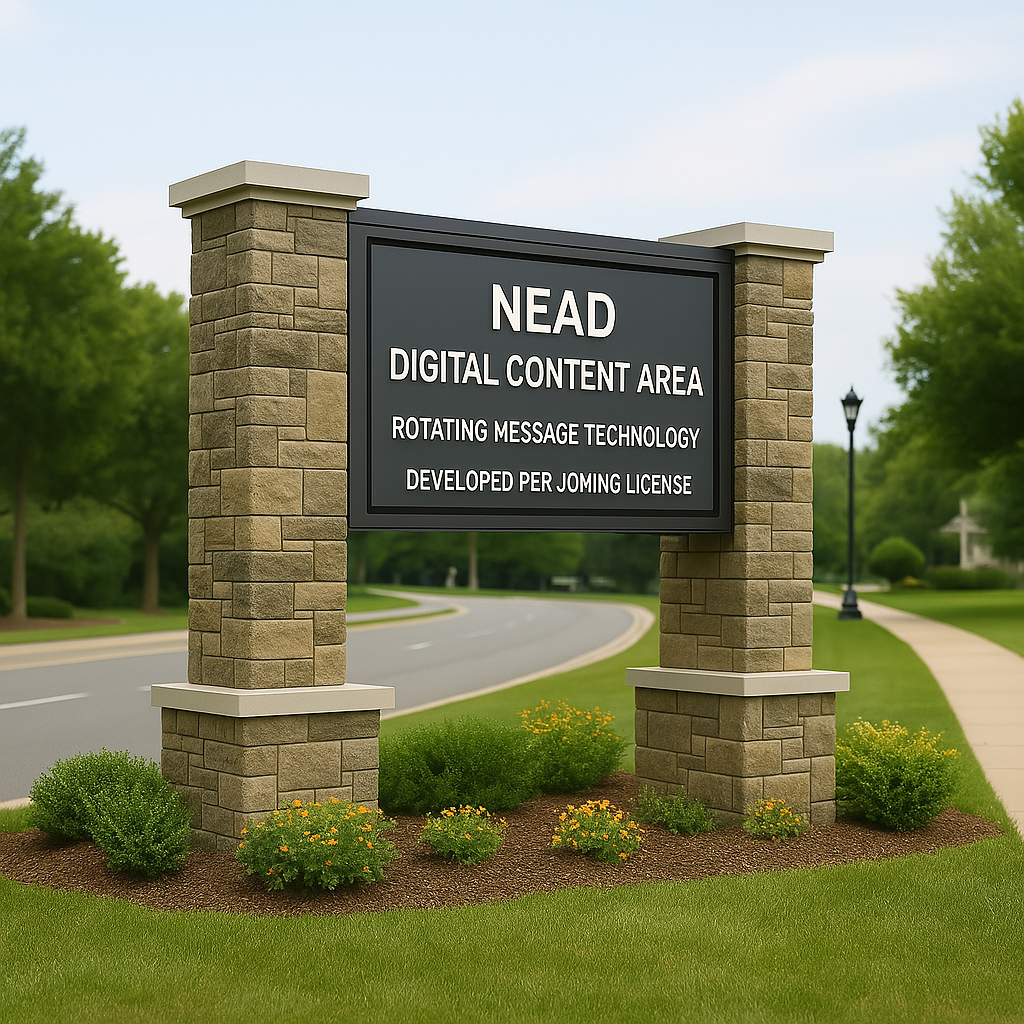
“NEAD signage adapts to corridor scale, civic branding, and zoning license requirements. Whether roadside or civic plaza, each installation reflects its environment — no two signs are alike.”
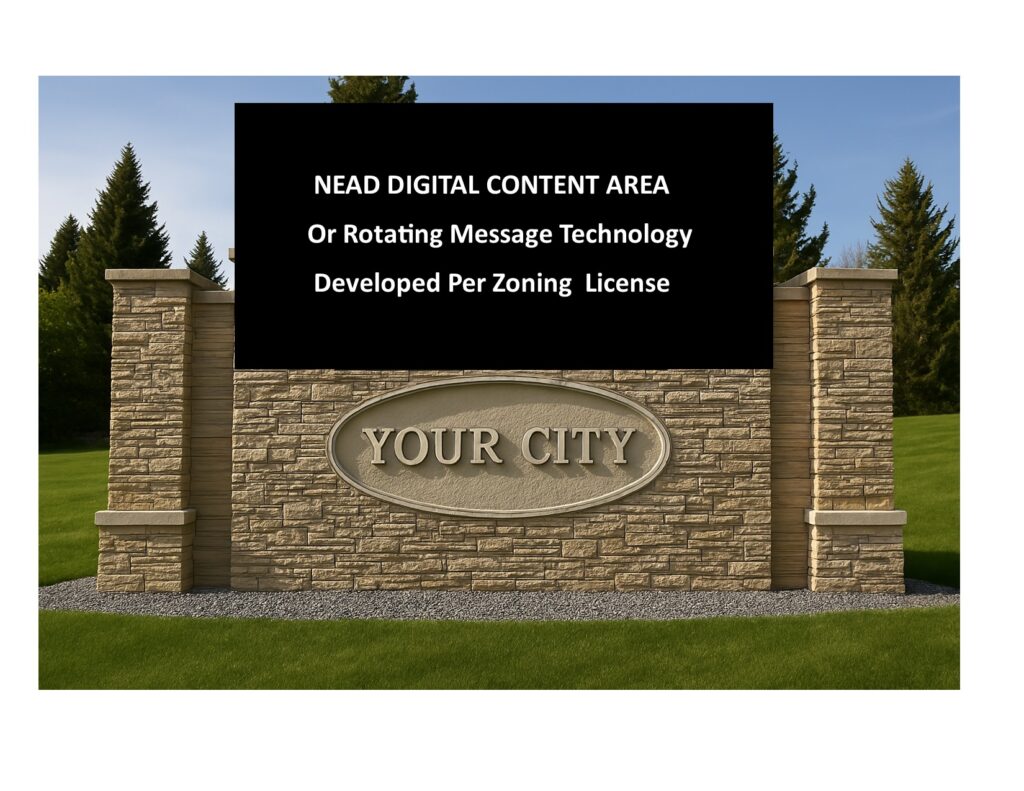
NEAD is not a disruption — it’s a classification. By introducing a new permit tag system, NEAD integrates seamlessly into existing zoning and infrastructure frameworks. This tag distinguishes NEAD installations from traditional advertising, aligning them with civic visibility and public benefit.
For example, a digital NEAD installation would carry a State Outdoor Advertising DOT Permit that identifies it as a civic visibility asset — not a commercial billboard. This distinction allows NEAD to operate within existing zoning parameters while serving a public function.
A State Outdoor Advertising DOT Permit would be issued in each applicable corresponding state, using the existing DOT permit framework. No alterations are needed to current billboard advertising parameters. This approach respects regulatory boundaries while introducing a new classification that is both federally compliant and locally endorsed. NEAD doesn’t disrupt — it upgrades.
As NEAD evolves, licensing agreements will reflect a clear understanding that the platform’s codification is being developed incrementally — one jurisdiction at a time. This ensures transparency, adaptability, and alignment with local and federal standards.
In Washington State, where NEAD has not yet been formally adopted, the classification still offers a path forward. A new NEAD application could meet all existing billboard spacing and permitting requirements — even without immediate codification — while promoting a more aesthetic and civic-aligned outdoor result.
On state-required tag arterials, NEAD signage could include a modest annual percentage collected toward the Outdoor Advertising Division, helping fund enforcement and promote “Healthy Highways.” Many divisions are under-resourced, and NEAD supports stewardship by encouraging lawful, attractive installations that align with public interest.
In this way, NEAD acts as a kind of self-governing beautification model — one that restores visibility rights while contributing to the long-term health and appearance of our highways.
While this example references Washington State, the model is intended for adoption across all states, offering a scalable framework that supports lawful visibility, civic stewardship, and compliance with the Highway Beautification Act.
NEAD is designed to scale through strategic licensing agreements, each tailored to the unique zoning and regulatory landscape of participating jurisdictions. This modular approach ensures that codification is deliberate, transparent, and locally relevant.
Licensing partners will engage with NEAD on a jurisdiction-by-jurisdiction basis, with each agreement reflecting the current stage of codification and implementation. This incremental rollout allows for:
- ✅ Local customization without compromising federal compliance
- 🔄 Iterative development informed by real-world feedback
- 🏛️ Strong alignment with civic infrastructure and zoning integrity
As NEAD expands, each licensed deployment becomes a building block in a national visibility infrastructure — one that restores rights, enhances safety, and fosters community collaboration.
This rollout strategy ensures that NEAD remains adaptable, equitable, and deepl
NEAD is more than infrastructure — it’s a civic catalyst. By restoring visibility rights and aligning with local zoning, NEAD installations serve communities directly. Whether placed near schools, parks, or transit hubs, each NEAD site is designed to enhance public awareness, safety, and engagement.
NEAD installations are intentionally placed to support community infrastructure. They can highlight local resources, promote public safety campaigns, and provide visibility for civic initiatives — all without commercial clutter.
By leveraging existing zoning pathways and the State Outdoor Advertising DOT Permit system, NEAD ensures that visibility is restored where it matters most: in service of the public.
NEAD installations challenge the outdated notion that bigger signs mean better visibility. Research shows that a 240 sq ft digital sign placed at 25 feet can match or exceed the visibility of a 14×48 static billboard mounted 75 feet high, depending on environmental factors and viewer distance.
NEAD leverages this principle to adapt signage to the corridor and community—avoiding oversized structures while maximizing impact.
Key visibility factors include:
- 📏 Letter height and placement over total sign size
- 🌗 Luminance and contrast for legibility in varied conditions
- 🧠 Surrounding clutter can reduce detection distance by up to 50%
This approach allows NEAD to deliver high-performance visibility without overw
NEAD is more than infrastructure—it’s a visibility rights movement. In many communities, the ability to communicate publicly has been eroded by outdated zoning, monopolized signage, or visual clutter. NEAD restores that right by creating corridor-aligned installations that serve both civic and commercial messaging.
By working within zoning frameworks and emphasizing equitable access, NEAD empowers municipalities, local organizations, and advertisers to share space without domination.
NEAD restores visibility rights by:
- 🧭 Reclaiming underutilized corridors for civic messaging
- 🛡️ Preventing monopolization by legacy signage structures
- ⚖️ Promoting equitable access for public and private voices
- 🧱 Aligning with zoning to ensure long-term viability
NEAD isn’t one-size-fits-all—it’s corridor-specific. Each installation is tailored to the unique characteristics of its environment, ensuring zoning alignment, visibility effectiveness, and civic relevance.
NEAD recognizes three primary corridor typologies:
- 🛣️ Major Arterials: High-traffic roads with regional significance; ideal for large-format NEAD installations with broad visibility
- 🏙️ Commercial Corridors: Mixed-use zones where NEAD signs balance civic messaging with commercial appeal
- 🏘️ Transitional Zones: Areas between residential and commercial districts; NEAD signs here are scaled for community integration and zoning sensitivity
This typology-based approach ensures NEAD signs are not just visible—they’re appropriate, effective, and welcomed by the communities they serve.
🧭 Zoning Harmony
NEAD is built to work with zoning—not against it. Traditional signage often clashes with local codes, creating tension between visibility and compliance. NEAD flips that dynamic by designing installations that align with zoning intent from the start.
Whether it’s setback requirements, height limits, or corridor-specific overlays, NEAD signs are planned to meet or exceed local standards. This zoning-first approach ensures smoother approvals, stronger community support, and long-term viability.
NEAD achieves zoning harmony through:
- 📐 Pre-design alignment with municipal code
- 🧱 Scalable formats that adapt to corridor overlays
- 🛡️ Respect for sightlines, setbacks, and community character
- 🤝 Collaboration with planners and zoning officials
🎨 Design Principles
NEAD signs aren’t just functional—they’re designed to elevate the corridor. Each installation reflects a balance of clarity, aesthetics, and civic presence. Whether static or digital, NEAD signs are crafted to complement their surroundings and communicate with purpose.
NEAD design principles include:
- 🧭 Contextual Fit: Signs are scaled and styled to match the corridor’s character
- ✍️ Legibility First: Clear typography and layout for fast, effective communication
- 🌐 Digital Readiness: Formats support dynamic content without visual overload
- 🛡️ Durability & Maintenance: Materials and finishes chosen for long-term performance
- 🧠 Civic Presence: Designs that signal trust, relevance, and public value
NEAD is more than signage — it’s community infrastructure built on a patented framework. In a time of fragmented messaging, NEAD promotes: • Shared civic values • Lawful visibility • Beautification of public space
Leaders who value responsible development and civic alignment will see NEAD as a step forward — not just for messaging, but for the integrity of our built environment.
Let’s build visibility with integrity.
Please complete the questionnaire to share your jurisdiction, affiliation, and professional background.
This helps us align your inquiry with NEAD’s civic visibility standards and streamline next steps.
We’re currently reviewing a high volume of responses. Your patience is appreciated as we thoughtfully evaluate each submission.